
Blog
Exploring the psychology behind casino game choices

The Allure of Chance and Risk
The psychology of casino game choices begins with the intrinsic allure of risk and chance. Many players are drawn to the thrill of unpredictability, which activates the brain’s reward system. This dopamine release is akin to the feelings associated with other forms of gambling and can lead to a repetitive cycle of behavior. The uncertainty of game outcomes creates compelling tension that enhances the excitement of the environment, where every spin of the wheel or card dealt could lead to a significant win, especially when players opt for platforms like neosurf casino that amplify this experience. This thrill can be intoxicating, driving players to engage in risky behaviors that they might avoid in other contexts.
The concept of risk-taking is not solely limited to financial stakes; it encompasses the emotional highs and lows tied to gambling experiences. Players often hold a belief that they can outsmart the odds, a cognitive bias that may lead them to make riskier game choices. For instance, table games like blackjack or poker require skill and strategy, appealing to players’ desires to exert control over their outcomes. The psychological satisfaction derived from making strategic decisions heightens the enjoyment of these games, compelling players to return despite potential losses. This interplay of skill and chance creates a unique landscape where emotions drive choices.
Addiction psychology plays a pivotal role in this dynamic. The concept of “near misses,” in which players come close to winning yet ultimately do not, can further entrench them in these games. This phenomenon cultivates a false sense of potential, encouraging players to continue betting with the hope of recovering losses. The intricate balance between risk, reward, and the alluring nature of the game fosters a psychological environment that keeps players engaged and often leads to a complex relationship with gambling that can be difficult to navigate.
Social Influences on Game Selection
Social factors significantly impact casino game choices, as individuals often select games based on peer influence, cultural perceptions, and social norms. The communal atmosphere of casinos facilitates social interaction, which can sway an individual’s game preference. For example, group dynamics may lead players to gravitate towards popular games like slots or roulette rather than more solitary games that demand concentration, such as poker. The social validation garnered from being part of a larger group can amplify enjoyment and drive game selection, making the casino experience more about connection than competition.
Moreover, the rise of social media and online communities has further shaped perceptions about casino games. Players might choose games based on trends popularized by influencers or friends, creating a bandwagon effect. The shared experiences and successes highlighted online can motivate individuals to try out the same games, hoping to replicate those experiences. This social validation often outweighs personal preferences, leading to choices that may not align with one’s typical gaming behavior but are influenced by the desire for acceptance and shared enjoyment.

Cultural backgrounds also influence perceptions of gambling, ultimately affecting choice. Certain games carry specific connotations within various cultures, dictating their popularity. For instance, dice games might be preferred in some communities, while others might lean towards card games. This cultural dimension of gambling not only affects which games are chosen but also impacts the strategies employed by players. Recognizing the intersection of social and cultural factors is essential to understanding how they impact casino game choices.
Emotional States and Game Preferences
Emotional states are pivotal in determining which games players choose in a casino setting. Research indicates that individuals under high stress may gravitate towards games offering immediate gratification, such as slot machines. The bright lights and engaging sounds create an environment that provides instant feedback, potentially alleviating feelings of anxiety or tension. This connection between emotional relief and game choice highlights the psychological need to escape or manage emotions through gambling behavior, showcasing how individuals often seek solace in the thrill of the game.
Conversely, players in a more relaxed state may prefer games that involve strategy and social interaction, such as poker or blackjack. These games require concentration and skill while facilitating engagement with other players, making them suitable for those looking to socialize while enjoying the thrill of the game. Additionally, a player’s emotional state can influence the amount of money they are willing to bet, as those feeling euphoric about a recent win might take on higher risks, believing in their good fortune. This emotional context often alters the decision-making process in a casino setting.
The aftermath of losses can also drastically shift game choices. A player who has faced a significant loss may resort to games promising higher payouts or those perceived as offering a better chance of winning. This need for recuperation can lead to impulsivity, where players seek quick recovery, often disregarding their usual strategies or preferences. Understanding the connection between emotional states and gaming decisions is crucial for comprehending the broader landscape of casino psychology, as it reveals how feelings can dictate the gambling experience.
Game Design and Player Experience
Game design significantly impacts player choices by creating experiences that cater to psychological preferences. Features such as visuals, themes, and mechanics are meticulously crafted to evoke specific emotional responses and attract a wide array of players. For example, slot machines with vibrant colors and engaging storylines are designed to appeal to players seeking immersive experiences. The sensory stimulation from these games enhances enjoyment and contributes to prolonged play, demonstrating how design elements can manipulate player behavior and encourage longer engagement.
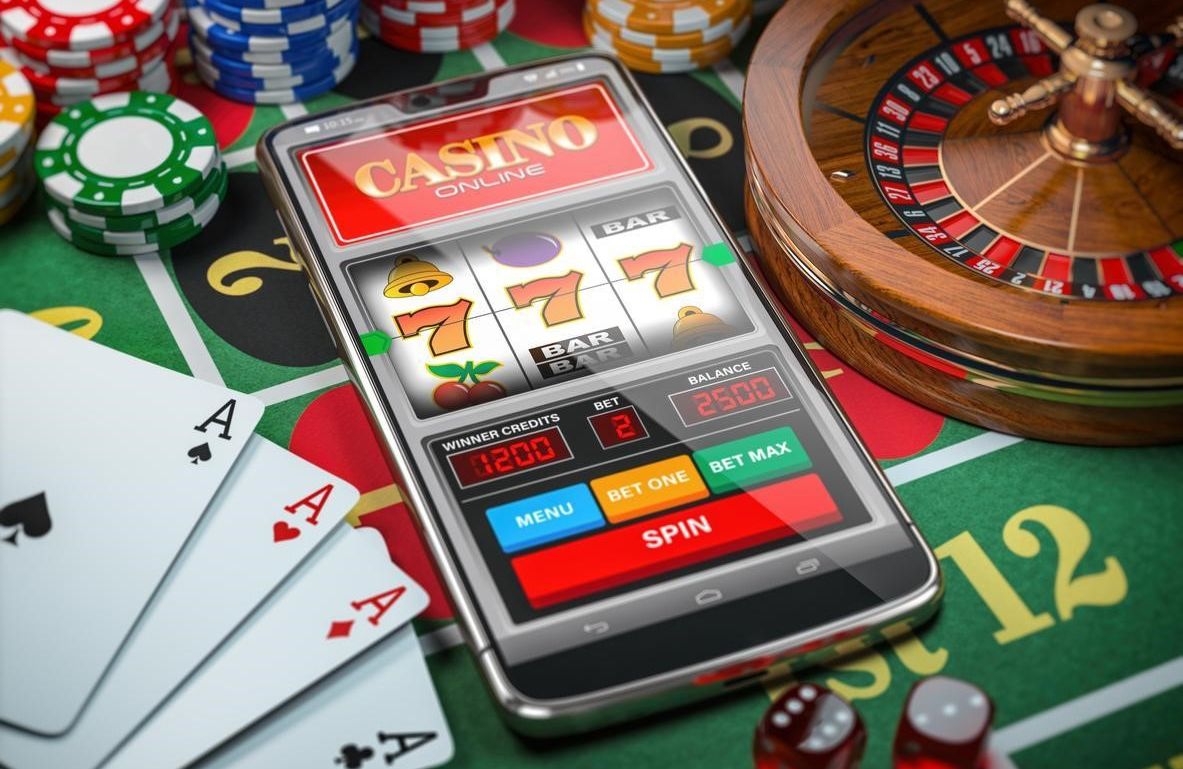
The mechanics of games, including pay lines, bonus rounds, and jackpots, also play a considerable role in shaping player choices. Understanding how players perceive odds and potential outcomes guides game developers in creating appealing experiences. Games that frequently offer small wins may lead players to feel more successful, encouraging them to continue playing. This psychological tactic leverages reinforcement, where the regularity of smaller rewards fosters persistence, even in the face of larger losses. The design intricacies reflect a deep understanding of player psychology and highlight the industry’s effort to enhance the gambling experience.
Moreover, innovative game features, such as interactive elements and skill-based components, engage players in various ways. By incorporating strategies that require active participation, game designers appeal to those who prefer a sense of control over their gaming experience. This engagement can create a loyal player base, with players returning to specific games that offer both entertainment and emotional satisfaction. The synergy between design and player psychology is vital in cultivating a rewarding casino experience that keeps players coming back for more.
Understanding Player Psychology Through Research
Research into player psychology provides valuable insights into why individuals select certain casino games over others. Behavioral scientists often examine the cognitive biases, emotional factors, and social influences that drive game preferences. A combination of qualitative and quantitative studies allows researchers to gather data on player motivations, leading to a deeper understanding of gambling behaviors and choices. This research not only benefits casinos in refining their offerings but also aids in developing responsible gambling practices, ensuring a safer gambling environment.
For instance, studies have shown that many players exhibit a strong preference for games where they feel a degree of control, such as poker. Understanding this tendency can guide casinos in their marketing strategies and game placements, ensuring that players are presented with options that align with their psychological inclinations. By grasping these dynamics, casinos can create tailored experiences that enhance player satisfaction while addressing potential issues related to responsible gambling.
Additionally, ongoing research helps identify the risks associated with problematic gambling behaviors. Insights into how certain game features can lead to compulsive behavior inform industry practices and promote safer gaming environments. Casinos increasingly utilize this knowledge to implement measures that encourage responsible gaming, ensuring that the thrill of gambling does not negatively impact players’ lives. Understanding player psychology through research not only informs casino operations but also plays a critical role in fostering a responsible gambling culture.